As the chill winds of competition begin to subside and the final medals are awarded, the world prepares to bid farewell to another unforgettable Winter Games. The Milan Cortina 2026 Winter Olympics, a spectacle of athletic prowess and human spirit, is drawing to a close, culminating in an eagerly anticipated Closing Ceremony. If you've been captivated by the thrilling two weeks of action and are now wondering precisely when do the Winter Olympics end, prepare for a grand finale unlike any other, set against the historic backdrop of Verona, Italy.
This comprehensive guide will walk you through the schedule of the final events, what to expect from Verona's extraordinary celebration, and how you can tune in to witness the passing of the Olympic torch. From nail-biting gold medal clashes to a breathtaking artistic display, the conclusion of the 2026 Games promises to be as memorable as its beginning.
The Grand Finale: When Do The Winter Olympics End?
The journey that began with the dazzling Opening Ceremony on February 6th will reach its emotional climax on Sunday, February 22nd. This is the definitive answer to the pressing question: when do the Winter Olympics end? The entire world will once again turn its gaze towards Italy as the 2026 Games officially conclude. The Closing Ceremony is more than just a formal wrap-up; it's a profound Olympic tradition, a jubilant celebration honoring the victorious athletes, acknowledging the tireless efforts of every competitor, and serving as a poignant farewell until the next quadrennial gathering of winter sports enthusiasts.
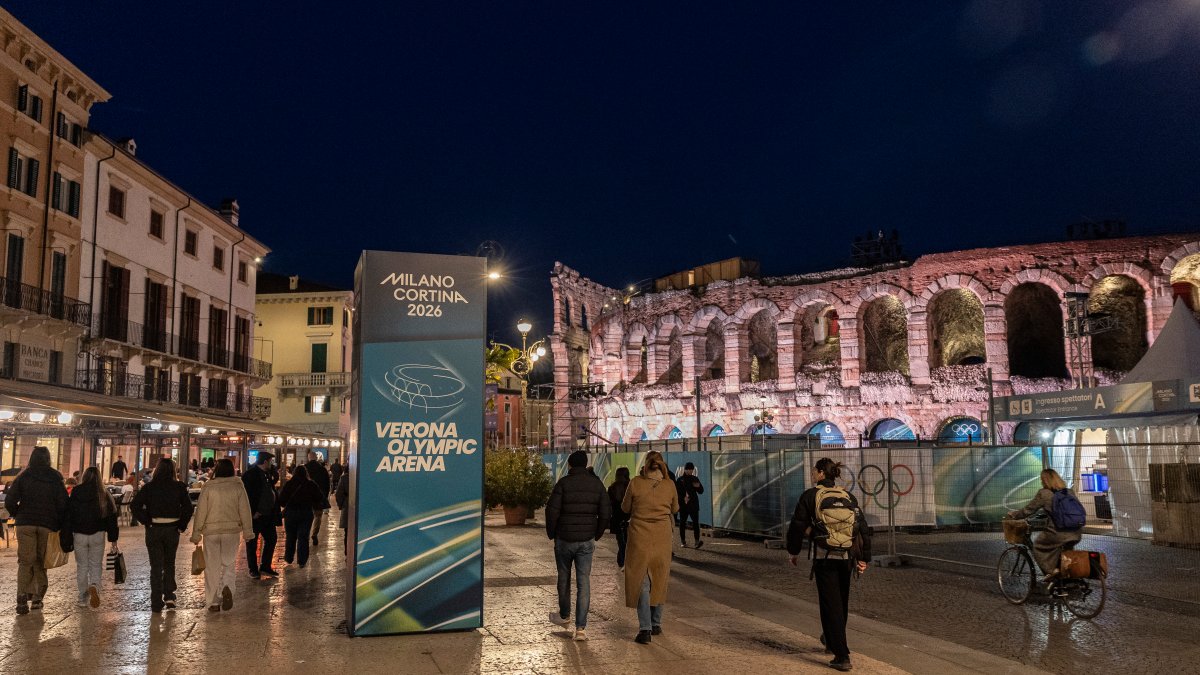
This momentous event is scheduled to commence at 1 p.m. CT (Central Time) and will be held at the majestic Verona Olympic Arena, specifically the ancient Arena di Verona. This choice underscores Italy's commitment to blending its rich heritage with the dynamic spirit of modern sport. It's a moment of reflection, triumph, and the symbolic passing of the Olympic torch, embodying the enduring spirit of sportsmanship, international unity, and the pursuit of excellence.
The Closing Ceremony provides a crucial platform for athletes from all nations to come together one last time, not as rivals, but as a community. It's an opportunity for them to share in the joy and relief of having competed on the world's biggest stage, to exchange pins, and to create lasting memories. For many, it's the culmination of years of relentless training and sacrifice, a moment where the weight of competition is lifted, replaced by camaraderie and collective celebration.
Verona's Ancient Arena: A Stage for Modern Glory
Choosing Verona, a city steeped in history and forever immortalized by Shakespeare's Romeo and Juliet, as the host for the Closing Ceremony adds an unparalleled layer of romance, drama, and gravitas to the event. The heart of the spectacle will beat within the ancient Roman Arena di Verona, a colossal amphitheater that has witnessed centuries of human drama and now prepares to host approximately 1,500 athletes celebrating their extraordinary feats. This iconic venue was selected not only for its unique historical significance but also for its relatively central location and capacity, especially when compared to Cortina d’Ampezzo, the other host city nestled remotely in the Dolomites, which was deemed too small and remote for such a grand send-off.
Under the creative direction of producer Alfredo Accatino, the ceremony is aptly titled "Beauty in Motion," a theme that perfectly encapsulates Italy's profound appreciation for both artistic expression and athletic prowess. Accatino eloquently articulated the vision: "Beauty cannot be fixed in time. This ancient monument is beautiful if it is alive, if it continues to change. This is what we want to narrate: An Italy that is changing, and also the beauty of movement, the beauty of sport and the beauty of nature." This profound philosophy will be embodied by acclaimed ballet dancer Roberto Bolle, who has been rigorously rehearsing with some 350 dedicated volunteers to create a visual masterpiece against a backdrop of quintessential Italian music and dance. The blend of classical ballet with the timeless stone of the Roman Arena promises a truly enchanting experience.
Adding contemporary flair to the historic setting, Italian music sensations Achille Lauro and DJ Gabry Ponte are confirmed to electrify the atmosphere. Their hits, already reverberating through the Arena during rehearsals, promise an energetic celebration fitting for the conclusion of an Olympic Games. Imagine the synergy of ancient architecture, classical artistry, and modern beats—a true testament to Italy's cultural dynamism and its ability to bridge eras.
Beyond the artistic marvels, the ceremony carries a profound and timely message. The stage design itself is inspired by a solitary drop of water, serving a dual purpose: symbolically uniting the majestic mountain venues of the Olympics with the fertile Po River Valley, home to Milan and Verona, and subtly reminding the world of the urgent challenge of climate change. It's a poignant acknowledgment that the future of the Winter Games, and indeed our planet, is intrinsically linked to environmental stewardship. This powerful message underscores the responsibility of global events like the Olympics to advocate for a sustainable future, making the closing ceremony not just a celebration, but also a call to action.
A Packed Schedule Leading to the Curtain Call
While the Closing Ceremony marks the official end, the final day of the Milan Cortina 2026 Winter Olympics is far from quiet. For those eager to catch every last moment of competitive glory before asking when do the Winter Olympics end, Sunday, February 22nd, promises a thrilling lineup of medal events. These are the last chances for athletes to etch their names into Olympic history, making for some truly nail-biting finishes that can define careers and inspire generations. Here’s a look at the schedule of final events, all times in Central Time (CT):
- 3:00 a.m. CT: Bobsleigh, 4-man Heat 3 – The penultimate run for teams battling for podium positions, where every fraction of a second matters.
- 3:00 a.m. CT: Cross-Country Skiing, Women's 50km Mass Start Classic – A grueling endurance test that pushes athletes to their absolute limits, often decided by mere seconds at the finish line after hours of racing.
- 4:05 a.m. CT: Curling, Women's Gold Medal Game - Sheet C – Witness strategy, precision, and nerves of steel as two nations engage in a delicate yet intense battle for gold on the ice.
- 5:15 a.m. CT: Bobsleigh, 4-man Heat 4 – The decisive final heat where medals are won or lost, requiring perfect synchronization and daring speed.
- 7:10 a.m. CT: Ice Hockey, Men's Gold Medal Game – One of the most anticipated events of any Winter Games, culminating in a fierce, high-stakes battle for supremacy on ice.
These intense competitions provide the perfect prelude to the celebratory atmosphere of the Closing Ceremony, allowing fans to savor the last moments of athletic drama before the focus shifts to reflection and festivity. The sheer grit and determination on display in these final events serve as a powerful reminder of the Olympic spirit. For a more exhaustive guide on the culmination of the Games, including a deeper dive into these thrilling final competitions, you can explore our detailed article: When Do The Winter Olympics 2026 End? Full Closing Ceremony Guide.
Preparing for the Final Sprint: Tips for Fans
With multiple high-stakes events unfolding concurrently in the early hours, planning your viewing strategy is key. Consider prioritizing the sports you're most passionate about, or setting reminders for the gold medal games that promise the most drama. Many events may be available for re-broadcast or on-demand streaming shortly after conclusion, allowing you to catch up if live viewing isn't feasible due to time zones or other commitments.
Beyond the specific events, remember that the final day often brings emotional interviews and behind-the-scenes content as athletes reflect on their Olympic journeys. Keep an eye on official Olympic channels and broadcaster coverage for these enriching insights, which often provide a humanistic perspective on the triumphs and challenges faced by the competitors.
How to Watch the Milan Cortina 2026 Closing Ceremony Live
For viewers in the United States wondering how to tune into the grand farewell, NBC will be your primary destination. Due to the significant time difference between Italy's Central European Time Zone and U.S. time zones, those wishing to watch the ceremony live will be setting their alarms for an early afternoon or morning experience.
Live coverage of the 2026 Olympics Closing Ceremony on NBC is scheduled to begin at 2:30 p.m. ET / 11:30 a.m. PT on Sunday, February 22nd. This means East Coast viewers can enjoy the spectacle over an early dinner, while those on the West Coast can start their Sunday with the grand finale. The precise timing allows for a broad audience across the continental U.S. to experience the closing moments live.
For those who might miss the live broadcast or prefer to catch the highlights, NBC will also air a special program titled "Best of Milan Cortina" later that day, beginning at 5 p.m. ET/PT. This compilation will offer a curated look at the most memorable moments from the Closing Ceremony and the entirety of the Games, perfect for a recap or those who couldn't watch live.
Pro Tip: Always check your local NBC listings or Peacock streaming service for the most accurate and up-to-date broadcast information, as schedules can sometimes be subject to minor changes. For a comprehensive breakdown of viewing options, including details on performers and specific broadcast times, don't miss our dedicated guide: How to Watch the Winter Olympics 2026 Finale: Time, TV & Performers.
For international viewers, it's advisable to consult your national Olympic broadcasters or official streaming platforms, as broadcast rights vary by region. Many platforms offer live streams and on-demand playback, ensuring you don't miss Verona's magnificent farewell, regardless of your location. Plan ahead by checking local sports news or official Olympic websites for specific regional broadcast details.
As the Milan Cortina 2026 Winter Olympics draw to a close, the question of when do the Winter Olympics end is answered not just with a date, but with the promise of a truly spectacular and meaningful conclusion. The Closing Ceremony in Verona's ancient Arena di Verona on Sunday, February 22nd, will be a harmonious blend of historical grandeur, artistic innovation, athletic reverence, and a poignant environmental message. From the final intense gold medal battles to the breathtaking "Beauty in Motion" performance, every element is poised to deliver an unforgettable send-off. It’s a moment to celebrate human achievement, reflect on the spirit of unity, and look forward to the promise of future Games, carrying with it the indelible magic of the Olympic ideal.